
Home Garden · 13 min read
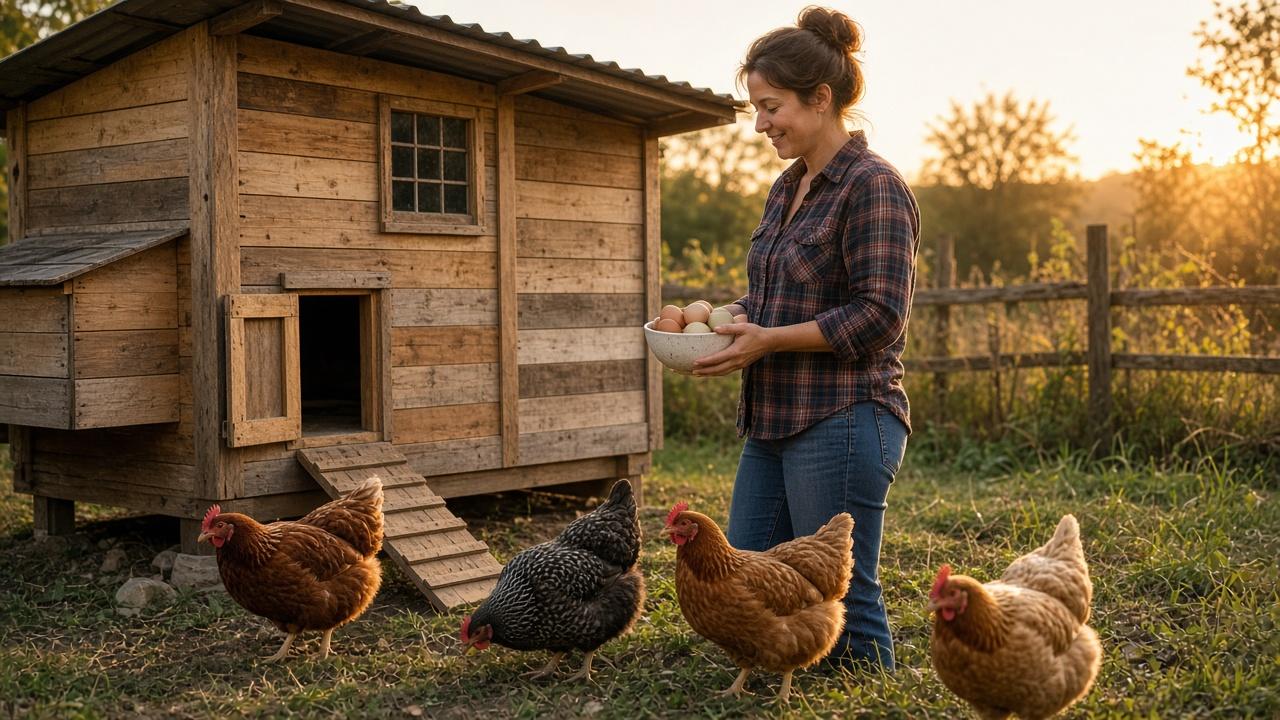
Building Your Backyard Chicken Coop and Raising Chickens
Size the flock, build a predator-resistant coop, and set a daily care rhythm that keeps birds healthy and eggs coming.
Decide the flock size first
Plan 3–4 square feet per bird inside the coop and 8–10 in an attached run as a minimum. Four to six hens is a strong starter flock for most households.
Check local ordinances before you buy lumber—or chicks.
Step 1 — Coop essentials
Every good coop has:
- Elevated roosts
- Nest boxes (one per 3–4 hens)
- Hardware cloth (not chicken wire) over openings
- Ventilation high on the walls without drafts on roosts
- A door you can secure at night without drama
Step 2 — Predator-proof details
Dig an apron of hardware cloth 12–18 inches out from the run perimeter, or bury it. Use locking carabiners on doors. Cover the run top.
Raccoons open simple latches. Design like they are clever—because they are.
Step 3 — Floor and bedding
A deep-litter method with pine shavings works well if kept dry and turned. Or use a removable droppings board under roosts for faster cleaning.
Step 4 — Daily and weekly rhythm
Daily: feed, water, egg collect, quick health glance, secure at dusk
Weekly: refresh bedding, scrub waterers, check for gaps or digging
Seasonally: deep clean, inspect roof, expand shade/wind protection
Step 5 — Feed and health basics
Use a complete layer feed once birds are of age. Offer grit if they free-range less. Provide oyster shell separately for strong eggshells. Watch for lethargy, pale combs, or sudden production drops.
First-month checklist
- Quarantine new birds if mixing with an existing flock
- Introduce them to the coop before free-ranging
- Keep a simple log of eggs and feed
- Confirm nighttime lock-up becomes automatic
Chickens reward boring consistency more than fancy coops.
Want more like this? Browse the full Home Garden collection.
Keep building
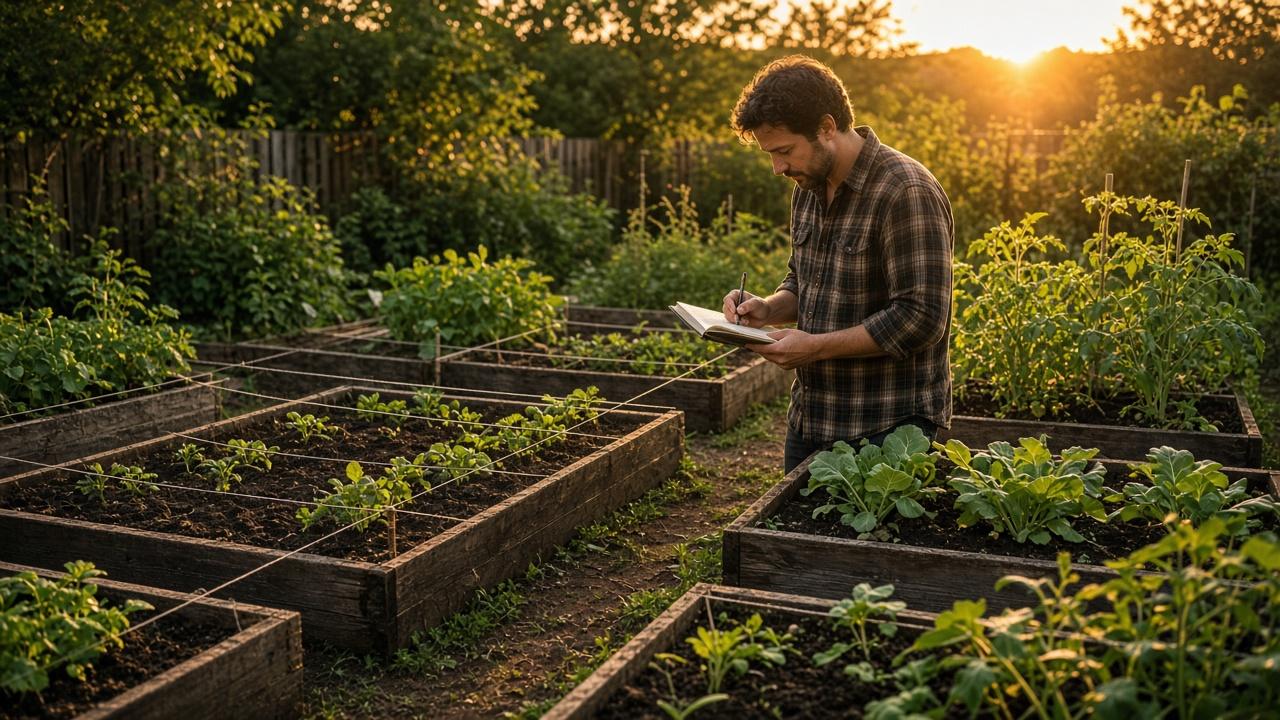
DIY Vegetable Garden Planning and Layout
Design a productive garden bed system around sun, water, and how you actually cook—then plant with a plan you can expand.
Read more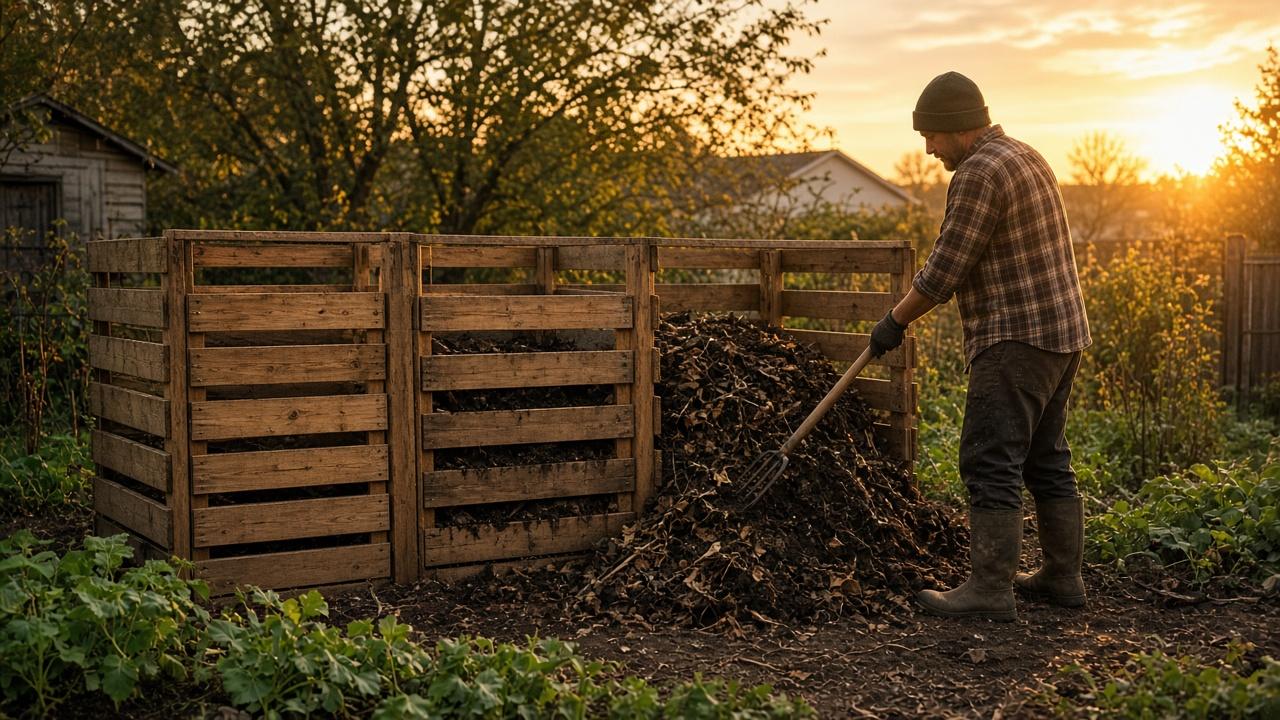
Build a Three-Bay Compost System That Actually Finishes
Stop turning a single lonely pile forever—use three bays for collecting, cooking, and curing compost on a predictable cycle.
Read more