
Home Garden · 12 min read
DIY Vegetable Garden Planning and Layout
Design a productive garden bed system around sun, water, and how you actually cook—then plant with a plan you can expand.
Start with how you eat
List the ten vegetables your household eats most. That list beats any Pinterest bed map. Prioritize those crops, then add one experimental plant each season.
Step 1 — Read the sun
Watch the yard for a day. Areas with 6–8+ hours of direct sun are your annual vegetable zones. Partial shade can host greens and herbs. Deep shade is for paths, compost, or storage—not tomatoes.
Step 2 — Choose a bed system
- In-ground rows: cheapest if soil is decent
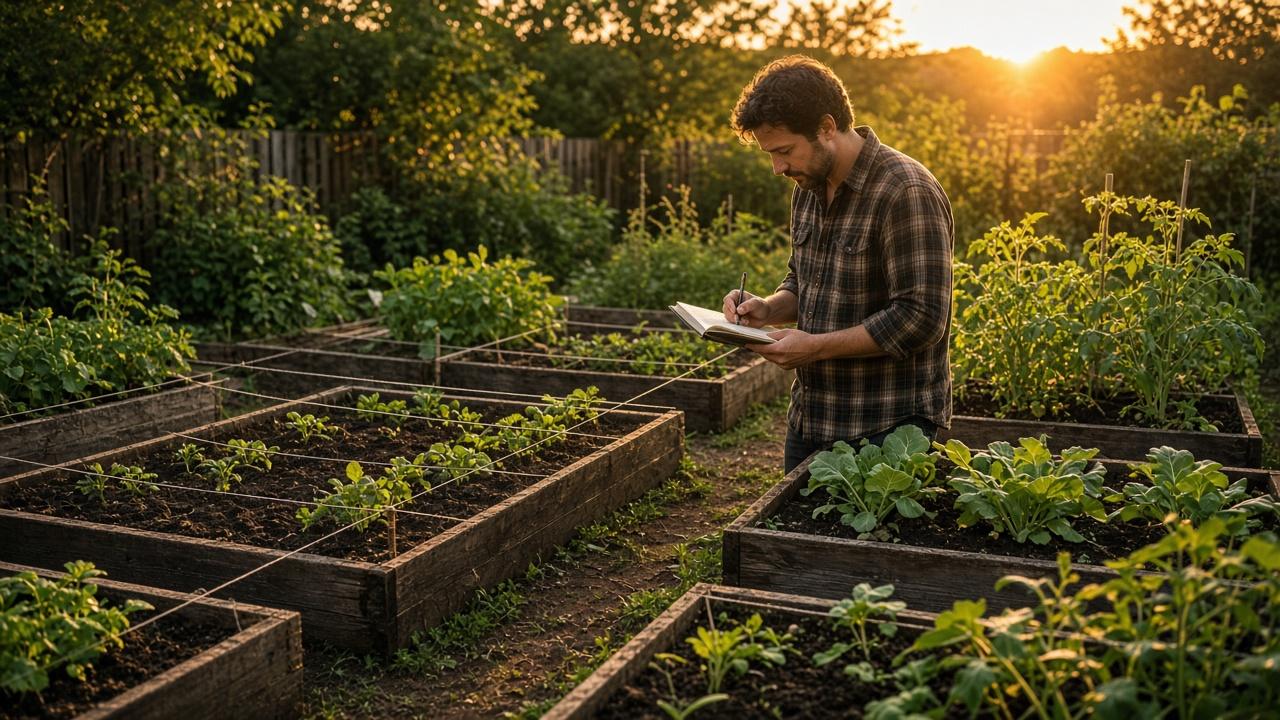
- Raised beds (10–12" deep): cleaner edges, warmer soil, easier paths
- Containers: for patios and renters; water more often
Keep beds no wider than 4 feet so you can reach the center without stepping on soil.
Step 3 — Plan paths like roads
Paths should be wide enough for a wheelbarrow (24–36"). Mulch them with wood chips or gravel so mud does not win every spring.
Step 4 — Water first, plants second
Run a hose or drip line before you plant. Gravity-fed barrels or a simple timer on drip tape will save more harvests than fancy trellises.
Step 5 — Rotate in four groups
Group crops so you do not plant the same family in the same bed every year:
- Fruiting (tomato, pepper, squash)
- Leafy (lettuce, kale, chard)
- Roots (carrot, beet, onion)
- Legumes (bean, pea)
Sketch next year’s rotation now while this year’s map is fresh.
Sample starter layout (10×20 ft)
- Two 4×8 beds for summer fruiting crops
- One 4×8 bed for succession greens
- Trellis on the north edge for beans/cucumbers
- Compost bin on the east edge, downwind from seating
First-season planting rhythm
- Prep soil with compost and a basic soil test
- Plant cool crops early
- Transplant warm crops after last frost
- Succession-sow lettuce and beans every 2–3 weeks
- Mulch once seedlings are established
A garden that feeds you weekly is better than a huge garden you abandon in July.
Want more like this? Browse the full Home Garden collection.
Keep building
Building Your Backyard Chicken Coop and Raising Chickens
Size the flock, build a predator-resistant coop, and set a daily care rhythm that keeps birds healthy and eggs coming.
Read more
Build a Three-Bay Compost System That Actually Finishes
Stop turning a single lonely pile forever—use three bays for collecting, cooking, and curing compost on a predictable cycle.
Read more